

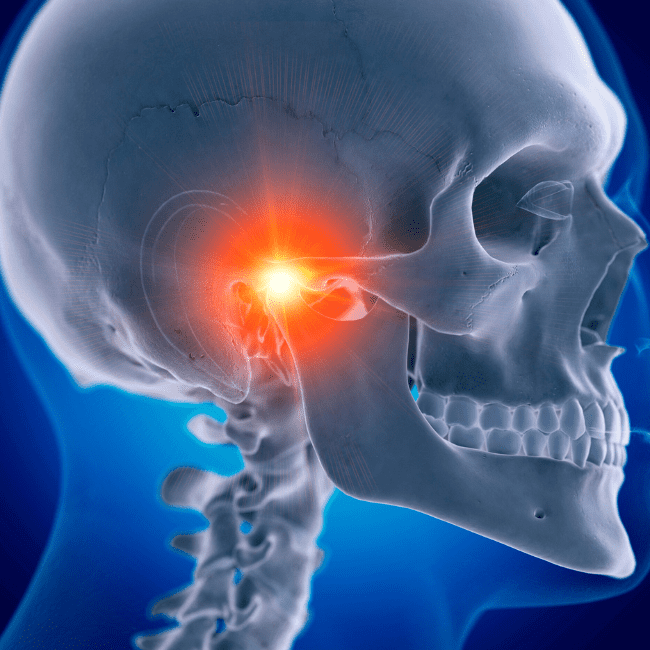
TMJ can make everyday life feel harder than it should. You might feel jaw tightness, clicking, facial soreness or headaches that show up out of nowhere. Many people focus only on the jaw when TMJ flares up, but the neck often plays a big role in what you feel. When you understand how the jaw and neck work together, you can start to spot the real pattern and finally get lasting relief.
Why The Jaw And Neck Work Like A Team For TMJ Comfort
Your jaw does not work alone. Muscles, joints and nerves connect the jaw to the head and neck. When the neck gets stiff or strained, the jaw can start to overwork to keep up. That extra strain can show up as TMJ discomfort.
Posture can add fuel to the fire. When your head sits forward, your neck muscles must hold more weight all day. That tension can spread up into the jaw and face. Over time, your body can fall into a pattern of clenching and guarding. Even if you do not notice it, your system can stay in a stressed state that keeps TMJ symptoms going.
How Neck Mobility Impacts TMJ Symptoms
Neck mobility means how well your neck can move through normal motion without tightness or strain. When mobility drops, your body starts to compensate. That can lead to muscle tension, joint irritation and nerve sensitivity.
Here are a few ways reduced neck mobility can impact TMJ:
Your jaw muscles can tighten because your head and neck feel unstable. Your body tries to create control by bracing. That bracing often shows up in the jaw. Neck stiffness can also trigger tension patterns that radiate into the temples, behind the ears and along the face. Many people describe it as jaw pressure, facial tightness or a dull ache that never fully goes away.
TMJ can also feel worse when your neck stays stuck in one position for long periods, like driving, working at a desk or looking down at a phone. Your jaw can start to feel “busy” because the neck does not move well, so the jaw and surrounding muscles pick up the slack.
Signs Your Neck Might Be Driving Your TMJ
TMJ symptoms can look different from person to person, but neck involvement often shows up in a few common ways. You might notice headaches that start at the base of your skull, tight shoulders that never relax or jaw tension that gets worse when stress rises. You might also feel better after stretching your neck, using heat or changing your posture, even if the jaw still feels sensitive. Those clues point to a bigger pattern than the jaw joint alone.
How Chiropractic Care Supports The Cervical Spine For TMJ Relief
Chiropractic care focuses on how the spine and nervous system work together. When the cervical spine does not move well or sits out of alignment, the muscles around it can tighten and pull. That tension can refer pain into nearby areas, including the jaw and face.
Chiropractic adjustments can help restore motion and improve alignment in the cervical spine. Better motion can reduce strain on the muscles that connect the neck and jaw. It can also help calm the nervous system when your body has been stuck in a stress pattern. Many people with TMJ notice that when their neck feels freer and their posture improves, their jaw starts to feel less tight and less reactive.
Chiropractic care also helps you understand your pattern. Your doctor can look at how you hold your head, how your neck moves and where your muscles stay guarded. Then you can build a plan that targets the root cause, not just the symptom.
Simple Daily Habits That Support Your TMJ Care Plan
Small changes can make a big difference when you stay consistent. Try a posture reset a few times a day by bringing your head back over your shoulders and relaxing your shoulders down. Take screen breaks so your neck does not stay locked forward for hours. Also, pay attention to clenching. A helpful reminder is “lips together, teeth apart” during the day.
Sleep position matters too. A supportive pillow that keeps your neck in a neutral position can reduce morning tightness. If you wake up with jaw tension, your neck and posture during sleep might contribute more than you think.
A Smarter Next Step For TMJ That Focuses On The Root Cause
TMJ can feel frustrating because it seems like it should be simple, but it rarely is. The jaw and neck work like a team, so treating the neck behind the jaw pain can change everything. If you want real answers and a plan that supports your cervical spine, posture and nervous system, schedule a visit with Sea One Family Chiropractic today. You don’t have to keep guessing, you can get support that helps your whole system relax.
FAQs
1. Can neck problems really cause TMJ symptoms?
Yes, neck issues can contribute to TMJ symptoms because the jaw, neck muscles and nerves work closely together. When your neck stays stiff or strained, the muscles can tighten and refer tension into the jaw and face. Many people notice jaw discomfort gets worse after long days at a desk or when stress increases, which often connects back to neck tension and posture patterns.
2. How long does it take to feel relief from TMJ with chiropractic care?
Some people notice changes quickly, especially if neck stiffness and posture play a big role, while others need more time and consistency. Relief depends on how long the pattern has been there, how your body responds and what habits you keep between visits. Your chiropractor can track progress over time and adjust your plan based on your symptoms and movement.
3. What can I do at home to reduce TMJ tension?
Start with simple habits that reduce strain on your neck and jaw. Take posture breaks, keep your head over your shoulders and avoid staying in one position for too long. Try to notice clenching during the day and relax your jaw when you catch it. Good sleep support also matters, so use a pillow that keeps your neck neutral and helps you wake up with less tension.